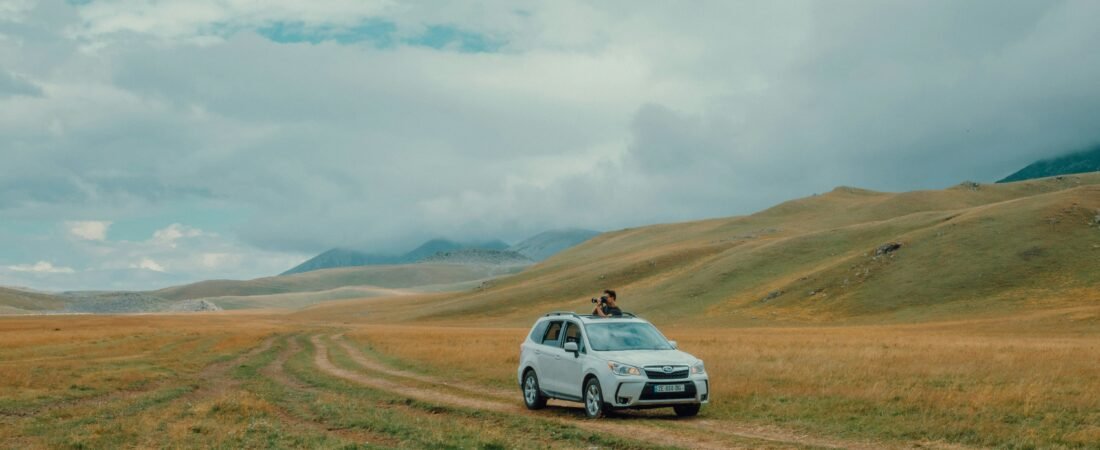
A Big Bend road trip requires more preparation than a typical weekend drive. The national park covers an enormous desert region where fuel, food, water, mobile service and roadside assistance may be difficult to find. Careful route planning allows you to spend more time exploring and less time worrying about whether your vehicle can reach the next stop.
The greatest planning mistake is treating Big Bend like a compact attraction. Reaching the park is only the beginning. Trailheads, overlooks, visitor centers and campgrounds can be separated by long drives, and visiting several areas in one day may require hours behind the wheel.
Understand the Size of Big Bend
Big Bend National Park includes mountains, desert and river environments spread across more than 800,000 acres. Its major destinations are not concentrated around a single entrance or visitor center.
Important areas include:
- Panther Junction
- Chisos Basin
- Rio Grande Village
- Castolon
- Santa Elena Canyon
- Ross Maxwell Scenic Drive
- Persimmon Gap
- Maverick Junction
Driving from one side of the park to another can consume a significant part of the day. Speed limits, wildlife, narrow roads, construction and scenic stops may make a trip take longer than a navigation app suggests.
Choose one general area for each day instead of repeatedly crossing the park. Grouping nearby attractions creates a more relaxed itinerary and reduces unnecessary fuel use.
Select the Right Base for Your Trip
Where you stay will affect your daily driving distance.
Lodging or camping inside the national park can reduce morning travel, but availability is limited. Communities outside the park—including Terlingua, Study Butte, Marathon and Alpine—offer different levels of access, dining and supplies.
Before booking accommodations, check:
- Which park entrance is closest
- How long it takes to reach your planned trailheads
- Whether late check-in is available
- Where you can purchase fuel and groceries
- Whether the route includes unpaved roads
- How far you will drive after dark
- Whether mobile service is available at the property
A lower room rate may not produce meaningful savings if it adds several hours of driving each day. Compare the complete route rather than looking only at the distance between the accommodation and the park boundary.
Calculate Your Big Bend Road Trip Mileage
Start by estimating the entire journey, including travel within the park.
Your mileage calculation should include:
- The drive from home to your accommodation
- Travel between the accommodation and park entrance
- Daily sightseeing routes
- Trips for meals, groceries or fuel
- The return journey
- A reasonable allowance for detours
Do not assume that the mileage shown for one destination represents the complete trip. A traveler may drive hundreds of additional miles while visiting different sections of the park.
Download directions before leaving an area with dependable internet access. An offline map is helpful, but carrying a paper park map provides another option if a phone stops working or loses power.
Plan Fuel Stops Before Entering Big Bend
Fuel planning should be completed before the vehicle reaches the remote part of the route.
Begin with a full tank and identify more than one possible station. Operating hours, fuel availability and payment systems can change, especially in small communities. A station displayed on a map may be closed when you arrive or may not carry the fuel your vehicle requires.
Estimate your fuel needs using your vehicle’s realistic highway and city mileage. Remember that air conditioning, steep grades, unpaved roads, roof cargo and idling can reduce fuel economy.
Good fuel habits include:
- Refilling before the tank becomes low
- Checking station hours in advance
- Keeping a payment card and another payment method
- Confirming whether the vehicle requires a particular fuel grade
- Avoiding unnecessary idling
- Recalculating the plan when adding a distant stop
Do not carry gasoline inside the passenger compartment. Any additional fuel must be stored and transported in a legal, approved container according to applicable safety requirements.
Inspect Your Vehicle Before Departure
A roadside problem that would be inconvenient in a city can become dangerous in an isolated desert area.
Arrange necessary maintenance before the trip rather than waiting for a dashboard warning. Check:
- Tire pressure and tread
- Spare tire condition
- Engine oil
- Coolant
- Battery
- Brakes
- Windshield wipers
- Exterior lights
- Air-conditioning performance
- Belts and hoses
- Fluid leaks
Confirm that the jack, lug wrench and wheel-lock key are inside the vehicle. A spare tire is not useful if it is flat or the required tools are missing.
Drivers using a rental vehicle should review the rental agreement before entering an unpaved area. Some agreements restrict off-road travel or exclude damage caused on certain roads.
Pack a Vehicle Emergency Kit
Emergency supplies should reflect the park’s heat, distance and limited services.
A practical vehicle kit may contain:
- Drinking water
- Shelf-stable food
- First-aid supplies
- Flashlight and spare batteries
- Portable phone charger
- Tire-pressure gauge
- Tire-inflation equipment
- Basic tools
- Jumper cables or a jump starter
- Reflective warning devices
- Paper maps
- Sun protection
- Warm clothing for cold nights
- Necessary medication
- Emergency contact information
Keep essential supplies inside the vehicle rather than in a location that could become inaccessible. Inspect food, batteries and medical items before departure.
Check Official Road Conditions
Road conditions can change because of construction, storms, flooding or maintenance. Review the official Big Bend National Park conditions page shortly before entering the park.
For the drive across Texas, consult DriveTexas for information from the Texas Department of Transportation about closures, construction and road conditions.
Do not depend entirely on a route saved several weeks earlier. A road that was open during itinerary planning may be restricted when the trip begins.
At the park, stop at an open visitor center when practical and ask about the specific roads you intend to use. Rangers may have recent information that has not yet appeared in a downloaded map.
Choose Roads That Match Your Vehicle
Big Bend contains both paved and unpaved roads. Some unpaved routes may require high clearance, suitable tires or four-wheel drive, depending on current conditions.
A road’s appearance near the entrance does not show what lies farther ahead. Conditions can become rougher as the route continues, and turning around may be difficult.
Before entering an unpaved road, determine:
- The road’s current condition
- The distance to the destination
- The expected travel time
- Whether high clearance is recommended
- Whether four-wheel drive is necessary
- Whether recent rain has affected the route
- Whether your vehicle and tires are suitable
- Whether your rental agreement allows the trip
Never take a road simply because another vehicle has entered it. Vehicle capability, driver experience and weather conditions may be different.
Build a Realistic Daily Itinerary
A practical itinerary accounts for driving time, daylight and weather.
One possible three-day structure is:
Arrival and Chisos Basin
Enter the park during daylight if possible, visit an open visitor center and explore the Chisos Basin area. Allow extra time for the winding mountain road and changing elevation.
Rio Grande Village Area
Dedicate a separate day to the eastern side of the park. Possible stops can include scenic overlooks, trails and river-area destinations that are open and appropriate for current conditions.
Ross Maxwell Scenic Drive
Use another day for the western side of the park, including overlooks along Ross Maxwell Scenic Drive and Santa Elena Canyon when accessible.
This arrangement reduces cross-park travel. It should still be adjusted for trail closures, weather, physical ability and the location of your accommodation.
Prepare for Desert Heat
Temperatures vary considerably by season and elevation. The desert floor can be much hotter than the Chisos Mountains, so a comfortable temperature near your accommodation may not reflect conditions at a lower-elevation trail.
During hot weather:
- Begin outdoor activities early
- Avoid strenuous midday hiking
- Carry more water than you normally would
- Use sun-protective clothing
- Wear a hat and sunscreen
- Eat appropriate snacks
- Turn back before supplies are depleted
- Monitor every member of the group
Do not ration water to extend a hike. If the available supply is becoming inadequate, return immediately.
Possible signs of heat illness include headache, dizziness, nausea, weakness, confusion and loss of coordination. A person experiencing severe symptoms requires emergency help and cooling as quickly as possible.
Review the National Park Service’s official Big Bend safety guidance before the trip.
Bring Water Rather Than Relying on Natural Sources
Natural water in the desert may be seasonal, difficult to locate or unsafe to drink without proper treatment. It may also be needed by wildlife.
Carry sufficient drinking water in the vehicle and take an appropriate amount on every hike. Keep additional water for unexpected delays rather than calculating only the minimum needed for the planned activity.
Water stored in a hot vehicle can become unpleasantly warm, but it remains important emergency equipment. Use durable containers and inspect them for leaks before departure.
Travelers with children, pets or medical conditions may need additional supplies. Speak with an appropriate healthcare professional before the trip if heat or hydration creates a specific medical concern.
Watch for Flash-Flood Conditions
Desert storms can produce dangerous flooding even when rain is not falling directly overhead. Water can move quickly through washes, low areas and canyons.
Never drive across a flooded road. Water depth and road damage may be impossible to judge, and a relatively small amount of moving water can affect vehicle control.
Avoid entering narrow canyons or drainage areas when storms are forecast nearby. If conditions deteriorate, move to suitable higher ground and follow instructions from park personnel or emergency authorities.
Expect Limited Mobile Service
Mobile coverage is unreliable in many parts of the Big Bend region. A phone should not be treated as a guaranteed method of navigation or emergency communication.
Before leaving reliable service:
- Download maps
- Save reservation details
- Screenshot important directions
- Write down emergency contacts
- Charge phones and power banks
- Tell someone where you are going
- Provide an expected return time
Leave a specific itinerary with a trusted person who is not traveling with you. Include trail names, road routes, vehicle information and accommodation details.
If the plan changes, update that person whenever communication is available.
Know What to Do After a Breakdown
If the vehicle becomes disabled, remaining with it is usually safer than attempting a long walk through the desert, provided the location itself is not dangerous.
A vehicle is easier for rescuers to locate and provides shade and access to stored supplies. Use reflective markers when appropriate and conserve phone battery while attempting to contact park authorities or emergency services.
Do not continue driving when doing so could cause further mechanical damage or create a safety risk. A flat tire, overheating engine or warning light should be assessed as soon as it is safe to stop.
If the vehicle is in a travel lane or another hazardous position, prioritize immediate safety and follow emergency instructions.
Avoid Unnecessary Night Driving
Night driving may be unavoidable, but arriving during daylight is preferable.
Darkness makes it harder to locate entrances, campgrounds and unmarked turns. Wildlife may enter the road, and drivers can easily misjudge curves or shoulders.
If driving after dark:
- Reduce speed
- Watch for animals
- Use headlights correctly
- Avoid driving while fatigued
- Confirm directions before departing
- Never stop in an active travel lane for photographs
Pull over only at a safe, legal location that does not block traffic or damage roadside vegetation.
Reserve Camping and Lodging Early
Big Bend is popular during cooler seasons, holidays and school breaks. Campgrounds and nearby accommodations may fill well before arrival.
Review the official Big Bend camping information for current campground rules, availability and reservation procedures.
Do not assume that arriving without a reservation will result in a legal place to sleep. Roadside camping is not permitted simply because an area appears empty.
Backcountry camping may require a permit and can involve additional vehicle, water and route-planning considerations. Confirm current rules before relying on a backcountry site.
Pack Food and Essential Supplies
Food choices may be limited after entering the region, and restaurants can have restricted hours.
Bring:
- Meals or ingredients appropriate for your lodging
- Food that can be eaten without cooking
- Snacks for hikes and drives
- A manual can opener when needed
- Reusable water containers
- A cooler with safe food storage
- Trash bags
- Necessary personal items
Follow park rules for food storage, fires and waste. Never leave trash or food scraps at a campsite or trailhead.
Cooking equipment must be used according to park restrictions, fire conditions and manufacturer instructions. Never operate fuel-burning equipment inside a vehicle, tent or enclosed space.
Understand Border-Area Responsibilities
The Rio Grande forms the international boundary in this region. Being able to see or physically approach the opposite bank does not make an unofficial crossing legal.
Cross the international border only through an authorized port of entry and comply with current identification and customs requirements. Operating status and documentation rules can change, so verify them through official government sources before including a border crossing in the itinerary.
Do not transport found objects, plants, animals or other materials across the border.
Protect Wildlife and Natural Areas
Big Bend is home to bears, mountain lions, javelinas, snakes and many smaller animals. Wildlife should be observed from a safe distance.
Visitors should:
- Never feed animals
- Store food securely
- Keep campsites clean
- Watch where they place hands and feet
- Keep children nearby
- Follow pet restrictions
- Avoid approaching animals for photographs
Pets are restricted from many park trails and cannot be left unattended in a hot vehicle. Confirm where animals are permitted before bringing one on the trip.
Distinguish the National Park From the State Park
Big Bend National Park and Big Bend Ranch State Park are separate destinations. They have different entrances, road systems, fees, permits and camping procedures.
A map search may display an attraction without making this distinction obvious. Confirm which park manages every destination and consult the appropriate official website.
Trying to visit both parks in a short trip can create more driving than expected. When time is limited, concentrate on one park and save the other for a future visit.
Budget Beyond Fuel
Fuel is only one part of the trip cost. A realistic budget may include:
- Park admission
- Camping or lodging
- Groceries and restaurant meals
- Vehicle maintenance
- Emergency supplies
- Recreation permits
- Additional insurance coverage
- Pet care
- Equipment purchases
- A reserve for unexpected expenses
Review current entrance charges on the official Big Bend fees and passes page. Fees and purchasing procedures may change, so confirm them close to the travel date.
For a shorter Texas getaway with less remote driving, compare this itinerary with our Texas Hill Country weekend guide.
Big Bend Road Trip Checklist
Before departure, confirm that you have:
- Calculated the complete driving distance
- Identified primary and backup fuel stops
- Checked tires and essential vehicle systems
- Confirmed that the spare tire is usable
- Packed water, food and emergency supplies
- Downloaded offline maps
- Carried a paper map
- Reviewed current park alerts
- Checked Texas highway conditions
- Confirmed campground or lodging reservations
- Selected roads appropriate for the vehicle
- Shared the itinerary with a trusted person
- Checked the weather for every planned area
- Packed sun and cold-weather protection
- Charged communication devices
- Verified park fees and permit requirements
- Allowed enough time to enter during daylight
A successful Big Bend road trip depends on realistic expectations. The park’s size and isolation are part of its appeal, but they also require deliberate planning. Organize each day by location, keep the vehicle prepared and change the itinerary when weather or road conditions make the original plan unsafe.
Note: This article provides general information only and does not constitute medical, mechanical, legal, travel or emergency advice. Road conditions, park rules, fuel availability, weather and operating hours can change without notice. Review current information from the National Park Service and other responsible government authorities before traveling. Consult an appropriately qualified healthcare, automotive or travel professional when you need advice about your specific circumstances. Call 911 or contact park authorities in an emergency.