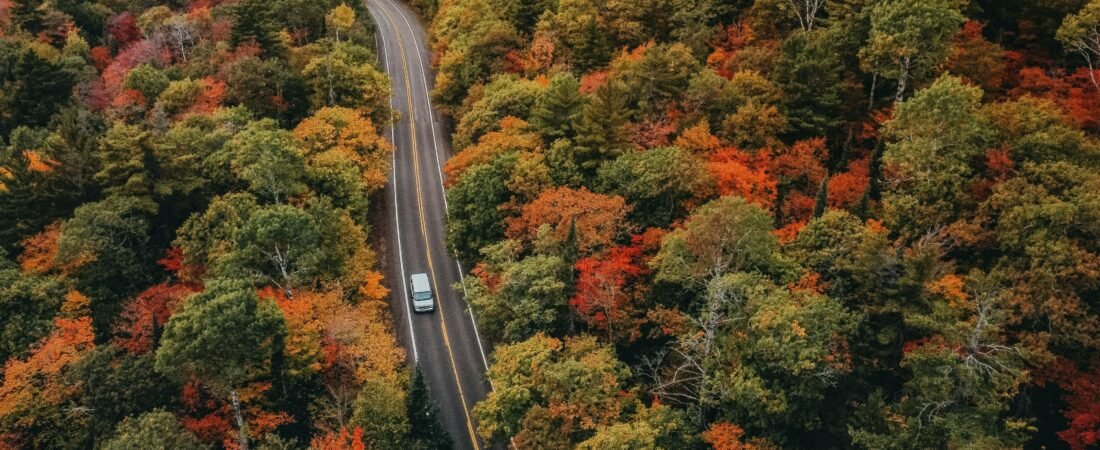
Texas fall road trips can include colorful Hill Country drives, quiet forest routes, desert landscapes and cooler visits to state parks. However, fall does not arrive everywhere at the same time. Northern and higher-elevation areas may cool before South Texas, while some regions remain warm well into November.
A successful trip should account for more than fall foliage. Shorter daylight hours, severe storms, crowded parks and large temperature changes can affect the route. Choosing one region and creating a flexible schedule is usually more enjoyable than trying to cross several parts of the state in one weekend.
Understand the Texas Fall Season
Fall weather in Texas varies by location and elevation. A traveler could experience a cold morning, warm afternoon and strong evening storm on the same day.
September may still feel like summer across much of the state. October often brings cooler mornings, while November can produce more noticeable temperature changes and occasional freezing conditions in northern or elevated areas.
Before finalizing your dates, consider:
- The region you intend to visit
- Historical seasonal conditions
- Current rainfall
- Elevation
- Tree species
- Recent heat or drought
- Cold-front timing
- Daylight hours
Do not plan the entire trip around a predicted foliage date. Leaf color can develop earlier or later than expected, and wind or storms may shorten the viewing period.
Choose One Region for a Weekend Trip
Texas is too large to treat as a single short road-trip destination. Combining East Texas, the Hill Country and Big Bend in one weekend would leave little time for stops or outdoor activities.
For a two- or three-day trip, choose one general region and build a route around nearby destinations.
A focused itinerary reduces:
- Fuel use
- Night driving
- Frequent hotel changes
- Missed reservations
- Driver fatigue
- Pressure to rush through parks
Longer trips can connect multiple regions, but driving time should be calculated realistically. Include meal stops, fuel stops, construction delays and time spent at overlooks.
Hill Country Fall Route
The Texas Hill Country is a popular fall destination because it combines winding roads, limestone hills, rivers and small communities.
A regional route may include areas around:
- Bandera
- Kerrville
- Hunt
- Leakey
- Utopia
- Vanderpool
- Fredericksburg
- Johnson City
Roads in this region may be narrow, curved and hilly. Drive at a safe speed and avoid stopping in a travel lane for photographs.
The landscape can remain dry and brown during some years, while river corridors and protected areas may offer more visible seasonal color. Plan for scenic terrain and outdoor stops rather than making foliage the only reason for the trip.
Our Texas Hill Country weekend guide can help estimate accommodation, food and activity costs for this region.
Lost Maples and the Surrounding Area
Lost Maples State Natural Area is one of the best-known Texas destinations for fall color. Its popularity can also make access difficult during peak weekends.
Visitors should reserve admission before driving to the park. A state park pass does not guarantee entry after the park reaches capacity.
Check:
- Day-pass availability
- Trail conditions
- Parking restrictions
- Current foliage reports
- Weather
- Water availability
- Park alerts
The timing and intensity of leaf color depend on environmental conditions. A reservation during a historically popular period does not guarantee peak color.
Visit the official Lost Maples State Natural Area page for current reservations, alerts and facility information.
East Texas Forest Route
East Texas offers a different fall-road-trip experience, with pine forests, hardwood trees, lakes and quieter rural roads.
Potential areas to explore include:
- Tyler
- Palestine
- Jacksonville
- Rusk
- Nacogdoches
- Lufkin
- Caddo Lake
- Daingerfield
Seasonal color may appear later than travelers expect, depending on temperatures and rainfall. Forest roads can also become slick when wet leaves cover the pavement.
Build the route around state parks, public trails and historic communities. Confirm operating hours because some attractions shorten their schedules outside the summer season.
Morning fog can reduce visibility near lakes and low-lying areas. Delay departure when visibility is poor rather than trying to remain on an inflexible schedule.
Palo Duro Canyon and the Panhandle
The Panhandle can provide cooler temperatures, open landscapes and dramatic canyon views during fall. Palo Duro Canyon is a practical anchor for a regional trip.
Temperature differences between the canyon floor and surrounding areas can affect clothing and activity plans. Strong wind is another important consideration, particularly at exposed overlooks.
A Panhandle itinerary may combine:
- Canyon hiking
- Scenic overlooks
- Amarillo
- Caprock landscapes
- Historic roadside stops
- Nearby state parks
Check trail difficulty and sunset time before beginning an afternoon hike. Darkness can arrive before visitors accustomed to long summer evenings expect it.
Cold fronts can bring sharp temperature drops. Keep warm layers accessible rather than packing them beneath luggage.
Big Bend During Fall
Fall can be a more comfortable time to explore Big Bend than the hottest summer months. However, the region remains remote, and driving distances inside the national park are substantial.
A Big Bend itinerary should account for:
- Fuel availability
- Limited mobile service
- Long distances between attractions
- Elevation-related temperature changes
- Campsite or lodging reservations
- Unpaved road conditions
- Early darkness
Mountain areas may feel cool while lower desert areas remain warm. Pack for both rather than using one regional forecast for the entire park.
Read our Big Bend road trip guide for detailed fuel, distance and vehicle-safety planning.
Davis Mountains and Far West Texas
The Davis Mountains provide higher elevation, mountain roads and cooler nighttime temperatures. The region can be combined with Fort Davis, Alpine or Marfa without requiring daily travel across Big Bend National Park.
Fall travelers should prepare for:
- Cool or cold nights
- Intense daytime sun
- Limited fuel in remote areas
- Long distances between services
- Wildlife on roads
- Weak mobile coverage
- Strong wind
Plan fuel stops before leaving a larger community. Do not assume that every marked station will be open late in the evening.
Mountain roads require additional attention after dark. Reduce speed and watch for animals near the roadway.
North Texas Lake and Prairie Routes
Travelers from Dallas–Fort Worth can plan a shorter fall drive through lake, prairie and wooded areas without crossing the state.
Possible destinations include:
- Eisenhower State Park
- Lake Mineral Wells State Park
- Dinosaur Valley State Park
- Ray Roberts Lake State Park
- Cleburne State Park
- Possum Kingdom Lake
These trips can work well for families or travelers who prefer less time in the vehicle. Campsites and day-use areas may still fill during pleasant fall weekends.
Check individual park pages for swimming conditions, trail closures and water levels. A lake-centered park can provide hiking and scenery even when swimming is not appropriate.
Gulf Coast Fall Routes
The coast may remain warm during much of the fall, but lower humidity and cooler mornings can make outdoor activities more comfortable.
A coastal route may include:
- Galveston Island
- Surfside Beach
- Matagorda
- Rockport
- Port Aransas
- Corpus Christi
- Padre Island
Hurricane season continues through November, so travelers should not assume that fall eliminates tropical-weather risk.
Check:
- Coastal forecasts
- Tide conditions
- Beach access
- Ferry information
- Water quality
- Tropical weather
- Park closures
Avoid leaving camping equipment or vehicles near the waterline. Strong wind and distant storms can produce higher water levels even when local rainfall is limited.
Reserve State Parks Before Departure
Pleasant fall weekends can create high demand for day passes and campsites. Popular parks may reach capacity before visitors arrive.
Reserve:
- Day admission
- Campsites
- Cabins
- Group facilities
- Tours
- Special activities
Save the confirmation offline because mobile service may be unreliable near the entrance.
Review our guide to Texas State Parks reservations and rules before booking several parks during one trip.
A day pass covers a particular destination and date. It should not be treated as admission to every park along the route.
Check Roads Before Each Driving Day
Construction, crashes, flooding and weather can affect rural and urban highways. Review conditions shortly before departure through the official DriveTexas system operated by the Texas Department of Transportation.
Do not rely only on directions saved when the trip was planned. A closure may require a lengthy detour in an area with limited connecting roads.
Before taking a scenic route, check:
- Road closures
- Construction
- Flooded crossings
- Gravel or unpaved sections
- Fuel locations
- Expected arrival time
- Mobile coverage
- Alternate roads
Download offline maps and carry a paper map for remote regions.
Prepare for Rapid Weather Changes
A fall cold front can change conditions within a few hours. Temperatures may drop while wind and thunderstorms move across the route.
Review the forecast for each overnight stop rather than checking only the starting city. Enable emergency alerts and monitor the official National Weather Service forecast.
Weather hazards may include:
- Severe thunderstorms
- Lightning
- Flash flooding
- Strong crosswinds
- Hail
- Dense fog
- Early-season freezing conditions
- Extreme heat during early fall
A flexible itinerary makes it easier to delay a drive or replace an outdoor activity.
Never Drive Through Floodwater
Texas road trips can include low-water crossings and flood-prone roads. Heavy rain several miles away can cause water to rise at a crossing.
Never drive around a barricade or enter water covering the road. The pavement may be damaged or missing beneath the surface.
Turn around and use an approved alternate route. A long detour is safer than attempting to estimate the depth or current from inside the vehicle.
Do not park in a dry creek bed, drainage channel or low area when storms are possible.
Account for Shorter Daylight Hours
Fall days become progressively shorter. A route that was comfortable during summer may require driving after dark later in the year.
Check sunset time for each destination and schedule scenic roads earlier in the day.
Finish daylight-dependent activities before:
- Park gates close
- Trails become difficult to follow
- Wildlife becomes more active near roads
- Temperatures drop
- Fog forms
- Rural businesses close
Add extra time for photographs and unplanned stops. An itinerary with no scheduling margin can push the final section into darkness.
Inspect the Vehicle Before the Trip
Changing temperatures and long rural routes can expose maintenance problems.
Before departure, check:
- Tire pressure
- Tire tread
- Spare tire
- Engine oil
- Coolant
- Battery
- Brakes
- Windshield wipers
- Headlights and brake lights
- Heating and air conditioning
Tire pressure can fall as temperatures decrease. Check it when the tires are cold and follow the vehicle manufacturer’s specifications.
Make sure the jack, lug wrench and wheel-lock key are present. A roadside kit is more useful when everyone knows where it is stored.
Pack Clothing in Layers
Texas fall weather rarely requires only one type of clothing. Layers allow travelers to adapt without carrying a completely separate outfit for every temperature.
Pack:
- Lightweight base layers
- A warm mid-layer
- A wind-resistant outer layer
- A waterproof jacket
- Comfortable walking shoes
- Extra socks
- A hat
- Sun protection
- Warm sleepwear when camping
Keep a jacket inside the passenger compartment. Clothing stored at the bottom of a tightly packed trunk may be inaccessible during a sudden temperature drop.
Avoid relying solely on a heavy winter coat. Several lighter layers provide more flexibility as temperatures change throughout the day.
Bring a Roadside Emergency Kit
Remote sections may have limited mobile coverage and longer response times.
A fall road-trip kit may include:
- Drinking water
- Shelf-stable food
- Flashlight
- Spare batteries
- First-aid supplies
- Phone power bank
- Paper maps
- Reflective warning devices
- Basic tools
- Tire-inflation equipment
- Jumper cables or a jump starter
- Warm blanket
- Essential medication
Keep emergency supplies separate from recreational luggage. They should remain accessible if the vehicle becomes disabled.
Plan Fuel Stops in Advance
Fuel is readily available along major highways but can be less convenient on remote scenic routes.
Start rural driving days with a full tank and identify more than one station. Check operating hours where possible, particularly when traveling early, late or on a holiday.
Fuel economy may change because of:
- Strong wind
- Mountain grades
- Roof-mounted cargo
- Heavy loads
- Idling
- Unpaved roads
- Detours
Do not allow the tank to become critically low while waiting for a preferred price or brand.
Electric vehicle drivers should verify charger location, operating status and compatibility. A backup charging option is especially important outside major metropolitan areas.
Plan Meals Around Rural Hours
Restaurants in smaller communities may close earlier, operate limited days or stop serving between meal periods.
Bring enough food for an unexpected closure or delay. This does not require carrying every meal, but the vehicle should have water and shelf-stable snacks.
When the trip includes hiking, pack food that can tolerate expected vehicle temperatures. Perishable items require reliable cold storage.
Do not leave food or trash unsecured at a campsite or trailhead, where it can attract wildlife.
Avoid Stopping on Road Shoulders for Photos
Fall scenery can encourage drivers to stop suddenly. A narrow shoulder, curve or hill is not a safe photography location.
Use:
- Designated overlooks
- Public parking areas
- Trailheads
- Approved roadside pullouts
- Visitor centers
Do not enter private land to take photographs. Fences, gates and open fields do not indicate public access.
The passenger should identify legal stops while the driver concentrates on the road.
Watch for Wildlife
Deer and other animals may be more active around dawn, dusk and nighttime. Rural roads passing through forest or open land require particular attention.
Reduce speed when visibility is limited. If an animal enters the road, brake firmly while maintaining control rather than making an extreme turn that could cause a more serious crash.
Where one deer appears, others may follow.
Do not stop in the roadway to observe wildlife. Use a designated parking area and maintain a safe distance.
Build Flexibility Into the Route
A fall road trip should include optional stops rather than treating every attraction as mandatory.
Identify:
- Essential reservations
- Optional overlooks
- Indoor alternatives
- Shorter route options
- Alternate meal stops
- A weather-safe activity
- The latest reasonable departure time
If bad weather, traffic or fatigue delays the trip, remove an optional stop. Trying to recover lost time by speeding or skipping rest creates unnecessary risk.
Texas Fall Road Trips Packing Checklist
Before departure, confirm that you have:
- Reserved park admission and accommodation
- Checked the forecast for every destination
- Reviewed road conditions
- Downloaded offline maps
- Planned fuel or charging stops
- Packed clothing layers
- Brought rain protection
- Inspected the vehicle
- Checked the spare tire
- Packed water and food
- Prepared a roadside emergency kit
- Charged phones and power banks
- Checked sunset times
- Shared the itinerary with someone at home
- Created an alternate route
- Allowed time for weather delays
Texas fall road trips offer considerably more than a brief foliage season. A route can combine scenic landscapes, cooler outdoor activities and smaller communities when the schedule reflects realistic distances and changing weather.
Choose one region, reserve high-demand destinations early and leave enough flexibility to adjust the drive when conditions change.
Note: This article provides general information only and does not constitute legal, medical, mechanical, weather or travel advice. Road conditions, park access, operating hours, foliage timing and weather can change without notice. Follow current instructions from transportation agencies, park staff and emergency authorities. Consult an appropriately qualified automotive, healthcare or travel professional for advice about your specific circumstances. Call 911 during an emergency.