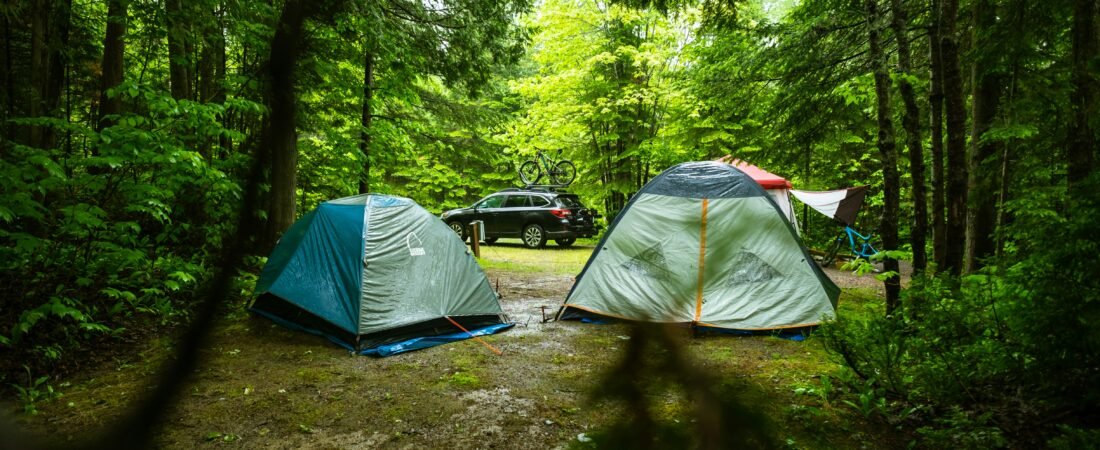
Texas summer camping requires a plan for extreme temperatures, limited shade, drinking-water needs and changing fire restrictions. Conditions that feel manageable during the morning can become dangerous by afternoon, particularly at exposed campsites and lower elevations.
The safest approach is to choose a campground that matches the experience and health of the group. Campers should also know where they can find air conditioning, additional water or emergency assistance if remaining outdoors is no longer safe.
Decide Whether Summer Is the Right Season
Texas includes coastal, desert, forest, mountain and lake environments. Summer conditions vary among these regions, but high temperatures and intense sunlight can affect almost any campsite.
Before making a reservation, consider:
- Average daytime and overnight temperatures
- Amount of natural shade
- Electrical availability
- Distance to drinking water
- Mobile coverage
- Travel time to an air-conditioned building
- Fire restrictions
- Medical needs within the group
- Whether pets will be present
- Experience with hot-weather camping
A campsite with electricity and nearby restrooms may be a better choice for a first summer trip than an isolated primitive site. Shortening the stay can also provide the outdoor experience without creating several days of continuous heat exposure.
Check the Forecast for the Exact Campground
A forecast for the nearest major city may not describe conditions at the park. Elevation, terrain and distance from the coast can create noticeable differences.
Review:
- Daytime high temperature
- Overnight low temperature
- Heat index
- Humidity
- Wind
- Thunderstorm probability
- Air quality
- Wildfire activity
- Flash-flood risk
Check the forecast again on the morning of departure. Summer weather can change after a reservation is made.
The CDC’s official heat and health guidance recommends staying hydrated, using shade and scheduling outdoor activities during cooler parts of the day.
Reserve a Campsite With the Right Facilities
Campground descriptions should be read carefully. A site advertised as having water may provide a shared spigot rather than a private connection. Electrical service may also be intended for recreational vehicles rather than ordinary household extension cords.
Compare:
- Electrical connections
- Potable-water access
- Restroom availability
- Shower facilities
- Shade
- Parking distance
- Tent-pad size
- Generator rules
- Cooking restrictions
- Emergency access
If someone in the group is particularly vulnerable to heat, identify the nearest air-conditioned location before booking.
For additional help with day passes, camping charges and park policies, read our guide to visiting Texas State Parks.
Understand How Tents Hold Heat
A tent exposed to direct sunlight can become much hotter than the surrounding air. Ventilation may reduce discomfort, but it does not turn a tent into a safe cooling shelter during extreme heat.
Choose a site with afternoon shade when possible. Consider where the sun will move rather than looking only at conditions when you arrive.
Useful setup practices include:
- Opening approved ventilation panels
- Using a reflective rainfly when appropriate
- Positioning the tent to capture available airflow
- Keeping bedding away from hot tent walls
- Removing unnecessary heat-producing equipment
- Taking the tent down if severe wind develops
Do not depend on a battery-operated fan as the primary heat plan. Air movement may improve comfort, but it does not meaningfully reduce the temperature inside the tent.
Create a Cooling Plan Before Arrival
Every group needs a clear answer to one question: Where will everyone go if the campsite becomes too hot?
Possible cooling locations include:
- An air-conditioned vehicle
- A park visitor center
- A nearby public building
- A campground recreation room
- A restaurant or store
- Reserved indoor accommodation
- Home, if the trip must end early
Confirm operating hours and travel distances. A visitor center that closes in the afternoon cannot serve as an overnight cooling location.
Keep enough fuel or battery capacity to leave the campground. Do not run a gasoline-powered vehicle for long periods in an enclosed or poorly ventilated area.
Schedule Activities During Cooler Hours
Plan hiking, fishing and campsite setup for early morning or evening. Use the hottest part of the day for rest or an activity in a cooler environment.
A summer schedule might include:
- Breakfast before sunrise
- A short morning hike
- Rest during the afternoon
- An evening meal
- A brief sunset activity
- Regular condition checks throughout the day
Do not treat reaching a viewpoint or completing a trail as more important than heat safety. Turn around when the group’s water supply, physical condition or available daylight makes continuing unwise.
Distances can feel much longer when there is no shade.
Bring Enough Drinking Water
Do not assume that every campground spigot provides drinking water. Some locations have non-potable water, seasonal systems or temporary service interruptions.
Confirm whether potable water will be available and bring a reserve even when the campground normally provides it.
Water supplies should account for:
- Drinking
- Meal preparation
- Necessary hygiene
- Pets
- Medication
- Unexpected delays
- Vehicle trouble
The amount needed varies according to temperature, humidity, activity level, health and trip duration. A universal quantity cannot account for every camper.
Store water in more than one container. If a single large container leaks, the group should still have another supply.
Do Not Wait Until You Feel Thirsty
Thirst may not provide adequate warning during strenuous activity or extreme heat. Drink fluids regularly and pay attention to how each person is feeling.
Possible signs that someone is becoming dehydrated include:
- Dry mouth
- Headache
- Dizziness
- Fatigue
- Reduced urination
- Dark urine
- Irritability
- Weakness
Alcohol can worsen dehydration and impair judgment. Large amounts of caffeine or sugary beverages may also be unsuitable as the primary source of hydration.
People with medical conditions or fluid restrictions should follow individualized guidance from an appropriate healthcare professional.
Replace Electrolytes Appropriately
Sweating causes the body to lose water and salts. Campers completing prolonged physical activity may need appropriate food or electrolyte-containing fluids in addition to water.
More is not always better. Consuming an excessive amount of plain water over a short period can also be dangerous.
Eat regular meals and use electrolyte products according to their instructions. Anyone with kidney, heart or blood-pressure conditions should seek medical guidance before substantially changing fluid or electrolyte intake.
Do not give salt tablets or concentrated supplements to someone merely because the weather is hot unless an appropriate professional has advised their use.
Recognize Heat Exhaustion
Heat illness can begin with symptoms that appear similar to ordinary camping fatigue.
Possible signs of heat exhaustion include:
- Heavy sweating
- Weakness
- Headache
- Nausea
- Dizziness
- Muscle cramps
- Cool or clammy skin
- Faintness
Stop the activity and move the person to a cooler location. Loosen unnecessary clothing, begin appropriate cooling and seek medical guidance when symptoms are concerning or do not improve.
Do not send someone who feels dizzy or confused to walk back to camp alone.
Treat Heat Stroke as an Emergency
Heat stroke can become fatal without immediate treatment. Warning signs may include confusion, collapse, seizures, loss of consciousness or a dangerously high body temperature.
Call 911 when heat stroke is suspected. Begin rapid cooling and follow instructions from emergency personnel.
Do not delay the call while attempting to decide whether the condition is heat exhaustion or heat stroke. Changes in mental status are particularly serious.
A remote campsite may require a longer emergency response. Knowing the campground name, site number, road and nearest landmark can help responders locate the patient.
Watch People at Greater Risk
Heat can affect anyone, but some campers may require closer monitoring.
Greater risk may apply to:
- Infants and young children
- Adults age 65 and older
- Pregnant people
- People with heart or respiratory conditions
- Individuals taking certain medications
- People with limited mobility
- First-time campers
- Anyone recovering from illness
- People exercising intensely
- Pets
Heat tolerance should not be judged by enthusiasm. Someone may want to continue an activity even when symptoms indicate that stopping is necessary.
Discuss medication storage and heat-related side effects with a pharmacist or healthcare professional before the trip.
Keep Medication Within Its Safe Temperature Range
Vehicles and tents can reach temperatures that damage certain medicines. Refrigerated medication presents an additional challenge when a campsite has unreliable electricity.
Before traveling, ask a pharmacist or appropriate healthcare professional:
- What temperature range is required
- Whether an insulated container is appropriate
- Whether the medication can touch ice
- How long it may remain outside its recommended range
- What to do after excessive heat exposure
- How to obtain an emergency replacement
Do not apply food-storage rules to medication. Requirements are specific to each product.
Store Food Safely
Perishable food can enter an unsafe temperature range quickly during hot weather.
Use an insulated cooler with sufficient ice or another reliable cooling method. Keep raw meat separated from ready-to-eat foods and prevent melted ice water from contaminating packaging.
Improve cooler performance by:
- Chilling food before departure
- Using separate coolers for drinks and meals
- Opening the food cooler only when necessary
- Keeping coolers in shade
- Using an appliance thermometer
- Replacing ice as needed
- Discarding questionable food
Smell and appearance cannot reliably determine whether food is safe. When proper temperature control has been lost, follow current government food-safety guidance.
Keep Food Away From Wildlife
Food, trash, cooking grease and scented toiletries can attract animals. Store these items according to the campground’s requirements.
Depending on the location, secure storage may involve:
- A hard-sided vehicle
- A campground food locker
- An animal-resistant container
- Another approved storage method
Never feed wildlife. An animal that associates campsites with food may become aggressive and could eventually be removed or killed.
Clean cooking surfaces promptly and do not pour grease or food scraps onto the ground.
Check Fire Restrictions Every Day
A fire ring at the campsite does not mean a fire is currently permitted. Drought, wind and wildfire conditions can lead to temporary restrictions.
Check with the park, county or land-management authority immediately before lighting:
- A wood fire
- A charcoal grill
- A camp stove
- A propane fire pit
- Any open flame
Restrictions may distinguish between open fires and contained cooking equipment. Never assume that one permitted device means every type of flame is allowed.
The Texas A&M Forest Service incident viewer provides current information about wildfire activity. Campers should also check county burn restrictions and notices issued by the park they are visiting.
Build Fires Only in Approved Locations
Where fires are allowed, use the designated ring or grill. Do not create a new fire pit or move burning material outside the approved area.
Keep the space around the fire clear of:
- Dry grass
- Leaves
- Paper
- Spare firewood
- Fuel containers
- Tents
- Chairs
- Overhanging vegetation
An adult should supervise the fire continuously. Wind can carry embers far beyond the campsite.
Do not burn trash, glass, cans or prohibited materials. Bring appropriate firewood rather than cutting living vegetation or collecting material where removal is not allowed.
Extinguish a Campfire Completely
A fire is not out simply because visible flames have disappeared.
Follow the land manager’s instructions for extinguishing fires. Water is generally used to cool the coals thoroughly, followed by careful stirring and another temperature check.
Do not leave the campsite until the fire is completely cold. Hot ashes covered with dirt can retain enough heat to restart.
Never discard warm charcoal in a trash container. Use an approved ash-disposal area if the campground provides one.
Use Camp Stoves Safely
A stove should be placed on a stable surface away from dry vegetation and flammable equipment. Follow the manufacturer’s instructions for fuel connection, lighting and shutdown.
Do not use a fuel-burning stove inside:
- A tent
- A vehicle
- An enclosed shelter
- A cabin where it is prohibited
- Another poorly ventilated area
Fuel-burning equipment can produce carbon monoxide, which cannot be seen or smelled.
Allow the stove to cool before handling or storing it. Keep fuel containers away from heat and direct sunlight as directed by the manufacturer.
Review Generator Rules
Some campgrounds allow generators only during designated hours. Others prohibit them in particular camping loops.
Operate a permitted generator outdoors, away from tents, windows and occupied shelters. Exhaust should never be directed toward another campsite.
Use only properly rated electrical cords and protect connections from water. Turn off the generator and allow it to cool before adding fuel.
A generator may support limited equipment, but its electrical capacity must not be exceeded. Medical devices and refrigerated medications require a more detailed backup plan than simply assuming generator power will remain available.
Prepare for Summer Storms
Texas summer weather can change rapidly. Heat may be followed by strong wind, lightning or flash flooding.
Before pitching the tent, identify:
- The nearest substantial shelter
- Higher ground
- Flood-prone areas
- The campground exit
- Emergency contact methods
- Weather-alert options
A tent, picnic shelter or open-sided canopy does not provide reliable protection from lightning.
Avoid camping in a dry creek bed or low drainage area. Flooding can occur because of rain upstream, even when little rain falls at the campsite.
Secure the Campsite Against Wind
Canopies, chairs and lightweight equipment can become dangerous during strong gusts.
Use appropriate stakes and guy lines, but do not create trip hazards across shared paths. Take down awnings and canopies when wind approaches their safe operating limits.
Before leaving camp:
- Store loose items
- Close the tent
- Lower approved awnings
- Secure cooking equipment
- Protect maps and documents
- Check the weather again
Do not remain beneath a damaged tree or hanging branch. Report dangerous conditions to campground staff.
Protect Pets From Heat
Dogs and other pets can overheat quickly. A shaded campsite may still be too hot, particularly when humidity is high and airflow is limited.
Bring:
- Drinking water
- A portable bowl
- Required medication
- Waste bags
- A leash
- Identification
- Vaccination information
- An evacuation plan
Check the temperature of pavement and rocky surfaces before allowing a pet to walk on them. Never leave an animal inside a parked vehicle or an unventilated tent.
Confirm where pets are permitted. Some trails, beaches, buildings and swimming areas may restrict them.
Avoid Insect and Snake Problems
Warm weather increases encounters with mosquitoes, ticks, scorpions and snakes.
Reduce exposure by:
- Using an appropriate insect repellent
- Wearing suitable clothing
- Checking for ticks
- Shaking out shoes
- Closing tents completely
- Using a flashlight at night
- Keeping hands away from unseen spaces
- Maintaining a clean campsite
Do not attempt to capture or kill a snake. Move away and notify park staff if it is creating an immediate campsite hazard.
Seek medical attention for a venomous bite. Do not cut the wound, apply suction or use an improvised tourniquet.
Keep the Vehicle Ready to Leave
The vehicle may be the group’s fastest route to air conditioning, medical assistance or safer weather conditions.
Before camping, check:
- Fuel level
- Battery condition
- Tire pressure
- Coolant
- Air conditioning
- Spare tire
- Emergency supplies
Park only in the assigned area and avoid positioning the vehicle where another camper can block it.
Keep keys in a consistent, accessible location. During an emergency, the group should not have to search through tents or equipment to find them.
Texas Summer Camping Checklist
Before departure, confirm that you have:
- Checked the campground forecast
- Reviewed the heat risk
- Reserved a suitable campsite
- Identified an air-conditioned backup location
- Packed sufficient drinking water
- Divided water among multiple containers
- Planned activities for cooler hours
- Reviewed heat-illness symptoms
- Protected medication from high temperatures
- Prepared safe food storage
- Checked current fire restrictions
- Located approved cooking areas
- Packed weather-alert equipment
- Identified the evacuation route
- Prepared supplies for pets
- Shared the itinerary with someone at home
- Kept enough fuel to leave the campground
- Established conditions that would end the trip
Texas summer camping can be rewarding when the schedule and campsite are built around the environment. Shade, water and suitable equipment help, but every group also needs a firm plan for leaving when extreme heat, wildfire conditions or severe weather make camping unsafe.
Note: This article provides general information only and does not constitute medical, fire-safety, legal or emergency advice. Temperatures, campground rules, burn restrictions, water availability and individual health needs can change. Follow current instructions from park staff, fire authorities and emergency officials. Consult an appropriately qualified healthcare, fire-safety, veterinary or outdoor professional for advice concerning your circumstances. Call 911 when someone may be experiencing heat stroke or another life-threatening emergency.