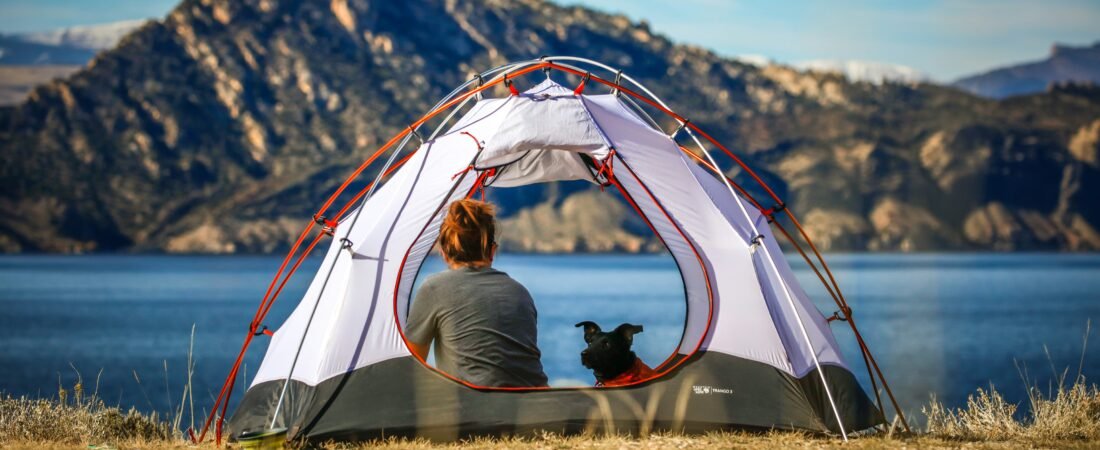
Texas beach camping can provide direct access to the Gulf Coast, but sleeping beside the water requires more preparation than staying at a developed inland campground. Camping rules vary by location, tides can reduce the usable beach and soft sand can leave an unsuitable vehicle stranded far from assistance.
A safe trip begins with choosing a legal camping area and checking its current requirements. Travelers must also understand how weather, water levels, beach traffic and limited facilities may affect their plans.
Understand Where Texas Beach Camping Is Allowed
The Texas coastline includes national seashore property, state parks, county-managed beaches and municipal beaches. Each authority can establish different rules for camping, parking, vehicles, fires, pets and waste.
Public access to a beach does not automatically mean overnight camping is allowed. Some locations permit daytime vehicle access but prohibit sleeping, tents or overnight parking. Others restrict camping to designated areas or require a reservation.
Before leaving home, confirm:
- Whether overnight camping is permitted
- Whether tents and recreational vehicles are allowed
- Whether a camping or parking permit is required
- Where vehicles may enter and exit
- Whether there is a maximum stay
- Whether fires or grills are permitted
- Whether pets are allowed
- How human and household waste must be handled
- Whether seasonal closures are in effect
Check the official website of the government agency responsible for the specific beach. Do not rely entirely on an old social media post, map review or travel forum because coastal rules can change.
Do Not Confuse Beach Access With a Camping Permit
Several permissions may apply to the same trip.
A beach-access permit may allow a vehicle to enter or park on the sand without authorizing overnight camping. A campground fee may apply separately from a park entrance fee. Some camping areas use reservations, while others operate on a first-come, first-served basis.
At Padre Island National Seashore, for example, the National Park Service publishes separate requirements for developed campgrounds and primitive beach areas. Its official camping information explains current entrance fees, camping permits, stay limits and available facilities.
When checking another destination, look for separate sections covering:
- Park admission
- Vehicle access
- Overnight parking
- Camping authorization
- Recreational vehicle rules
- Fishing requirements
- Fire restrictions
Save a digital copy of the current rules and keep proof of any required permit inside the vehicle.
Check Whether Reservations Are Available
Not every coastal campground accepts advance reservations. Some locations assign sites only after visitors arrive, while others may fill months ahead during busy periods.
A first-come campground creates uncertainty. Arrive early enough to locate another legal option if no space remains. Never create an unauthorized campsite because the planned campground is full.
For a reservable location, verify:
- Arrival and checkout times
- Site dimensions
- Vehicle limits
- Generator hours
- Tent restrictions
- Maximum occupancy
- Cancellation policies
- Gate access after hours
Confirm whether the selected site is directly on the beach or simply within walking distance. A developed site behind the dunes may have different hazards and facilities from primitive camping on open sand.
Review Tides Before Selecting a Campsite
Water levels along the coast change throughout the day. A section of firm sand that appears wide and dry during low tide may become narrow or submerged as the tide rises.
Use official NOAA tide predictions for a station near your intended destination. Predictions are useful for planning, but actual water levels can be influenced by wind, storms and atmospheric conditions.
When reviewing the tide schedule, consider:
- The predicted high-tide time
- The height of the predicted tide
- Whether strong onshore wind is expected
- The location of dunes and established driving lanes
- Whether the exit route could be covered
- How conditions may change overnight
Do not place a tent, vehicle or equipment close to the current waterline simply because the water is receding. Look for recent lines of seaweed, shells and debris, which may indicate how far water has recently reached.
High Tide Is Not the Only Water Risk
Tide tables do not predict every coastal flooding event. Strong wind can push water onto the beach, and distant storms may produce higher waves or abnormal water levels.
A forecast showing little rain at the campsite does not guarantee that the beach will remain dry. Tropical systems, coastal storms and strong wind may affect conditions well beyond the area receiving direct rainfall.
Before departing, check:
- Local weather forecasts
- Coastal flood advisories
- Rip-current risk
- Wind speed and direction
- Thunderstorm potential
- Tropical weather updates
- Park or beach closure notices
Conditions should be reviewed again shortly before driving onto the sand. Padre Island National Seashore posts current information on its official alerts and conditions page.
Choose a Safe Camping Position
A suitable campsite must balance water safety, traffic movement and protection of sensitive coastal areas.
Avoid setting up:
- Below the recent high-water line
- In a designated driving lane
- Directly beside a beach entrance
- At the base of an unstable dune
- On protected vegetation
- Across a wildlife travel area
- Near posted nesting sites
- Where another vehicle cannot pass safely
Camp only in areas authorized by the managing authority. Dunes and vegetation help protect the coast and may provide habitat for wildlife. Driving, parking or placing equipment in protected areas can cause damage and may lead to penalties.
Leave enough room between your campsite and moving vehicles. At night, drivers may have difficulty seeing dark tents, chairs or guy lines.
Determine Whether Your Vehicle Is Suitable
Beach conditions can range from firm, compacted sand to deep, loose sections that challenge even capable vehicles.
Four-wheel drive may be recommended or required in some areas, but it does not guarantee safe passage. Vehicle weight, ground clearance, tire condition and driver experience also matter.
Before attempting beach driving, assess:
- Ground clearance
- Tire tread and condition
- Drivetrain
- Vehicle weight
- Recovery points
- Fuel level
- Spare-tire condition
- Current sand and water conditions
A two-wheel-drive car may reach a firm section near an entrance and then become stuck farther down the beach. Conditions can also change after heavy traffic, strong wind or high water.
If an official notice recommends high-clearance or four-wheel-drive vehicles, take that guidance seriously.
Check Insurance and Rental Restrictions
Vehicle insurance, roadside-assistance plans and rental agreements may contain restrictions related to beach driving, unpaved roads or off-road recovery.
Before taking a rented vehicle onto the sand, read the agreement and obtain clarification when necessary. Damage, towing or cleaning costs may not be covered simply because public vehicles are allowed on the beach.
Owners should also review whether their roadside-assistance provider will send a truck onto sand. Standard towing coverage may end at the paved road, leaving the driver responsible for specialized recovery expenses.
Prepare the Vehicle Before Entering the Beach
Complete essential checks while you still have access to paved roads and nearby services.
Inspect:
- Tire pressure
- Spare tire
- Jack and lug wrench
- Battery
- Coolant
- Engine oil
- Brakes
- Exterior lights
- Windshield wipers
- Fuel level
Bring a tire-pressure gauge and suitable inflation equipment. Some experienced beach drivers reduce tire pressure to improve traction, but the appropriate pressure depends on the vehicle, tires, load and conditions. Incorrect adjustment can damage a tire or affect vehicle control.
Drivers unfamiliar with this process should seek qualified guidance for their particular vehicle. Tires must be reinflated to the correct road pressure before returning to normal highway speeds.
Pack Appropriate Recovery Equipment
Recovery equipment may help with a minor problem, but it must be suitable for the vehicle and used correctly.
Useful items can include:
- A long-handled shovel
- Traction boards
- A tire-pressure gauge
- A portable air compressor
- Work gloves
- Rated recovery equipment
- A flashlight
- Reflective markers
- Basic tools
- A jump starter
Do not attach a recovery strap to a bumper, suspension part or another point not designed for vehicle recovery. A failed attachment or broken strap can cause serious injury.
Keep bystanders away while attempting a recovery. If the vehicle is deeply stuck, close to rising water or in an unsafe position, contact the appropriate authorities or a qualified recovery professional.
Avoid Spinning the Tires
Rapid wheelspin usually digs the vehicle deeper into soft sand. It can also create holes that become hazards for other drivers.
If forward movement stops:
- Release the accelerator
- Check the sand around the tires
- Remove accumulated sand carefully
- Create a gradual path in the intended direction
- Use appropriate traction equipment
- Apply power smoothly
Reassess the situation before making repeated attempts. When the tide is rising, protecting people is more important than preventing vehicle damage.
Maintain a Clear Travel Route
In many drive-on beach areas, the sand functions as both a recreation space and a vehicle route. Campers must remain aware of moving traffic.
Keep tents, awnings, chairs, fishing equipment and guy lines outside the established driving path. Children and pets should not play in areas used by vehicles.
At night:
- Use visible campsite markers where allowed
- Keep pathways free of trip hazards
- Store equipment close to camp
- Carry a flashlight when walking
- Never assume an approaching driver can see you
Do not create an enclosed campsite that blocks the only safe route between the dunes and water.
Bring More Water Than You Expect to Use
Primitive camping areas may not provide potable water. Even where a filling station exists, it may be far from the selected campsite.
Pack enough water for:
- Drinking
- Cooking
- Basic hygiene
- Pets
- Unexpected delays
- Vehicle problems
Heat, wind and physical activity can increase fluid needs. Alcohol does not replace drinking water and may impair judgment around vehicles, fires and open water.
Store part of the water separately so one leaking container does not eliminate the entire supply.
Prepare for Wind and Blowing Sand
A calm afternoon can become a windy evening. Standard tent stakes may pull out of loose sand, while unsecured objects can become airborne.
Use equipment designed for sandy conditions and follow the manufacturer’s setup instructions. Position the tent with wind exposure in mind without blocking another campsite or travel lane.
Secure:
- Tent corners
- Awnings
- Canopies
- Chairs
- Cooking equipment
- Trash containers
- Coolers
- Lightweight personal items
Take down an awning or canopy when wind exceeds its safe operating limits. Do not leave it open while the campsite is unattended.
Protect Food and Manage Waste
Food can attract birds, coyotes, insects and other wildlife. Store it in secure containers and keep the camping area clean.
Bring sufficient bags or containers for all trash. If no collection service is available, everything brought onto the beach must leave with you.
Human-waste requirements depend on the location. Some primitive areas may require campers to use portable sanitation equipment rather than burying waste or leaving it on the beach.
Verify the local rules before arrival and bring the necessary supplies. Improper waste disposal can contaminate the environment and create a public-health hazard.
Follow Fire and Cooking Restrictions
Fire rules can change because of drought, wind, nesting activity or local safety concerns. Some beaches permit contained fires under specific conditions, while others prohibit them.
Before lighting a fire or using cooking equipment, confirm:
- Whether fires are currently allowed
- Whether a container or fire pan is required
- What fuel may be used
- Whether collected driftwood may be burned
- How ashes must be removed
- Whether wind restrictions apply
Never leave a fire unattended. Extinguish it completely and follow local instructions for disposing of ash and coals.
Do not use grills, stoves, generators or other fuel-burning equipment inside a tent, vehicle or enclosed shelter. Carbon monoxide can accumulate without warning.
Position Generators Carefully
Where generators are permitted, they should be operated according to campground rules and manufacturer instructions.
Place a generator outdoors, away from tents, vehicles, windows and neighboring campsites. Exhaust should never be directed toward sleeping areas.
Also consider:
- Quiet hours
- Fuel-storage requirements
- Extension-cord ratings
- Protection from water
- Carbon monoxide alarms
- Safe refueling procedures
Allow the generator to cool before adding fuel. Never operate electrical equipment where rising water could reach it.
Monitor Rip-Current Risk
Camping beside the Gulf does not mean the water is always safe for swimming. Rip currents, waves, sudden drop-offs and changing weather can create dangerous conditions.
The National Weather Service advises visitors to check local water conditions before entering the ocean. Review its official rip-current safety information and the current surf-zone forecast for your destination.
Additional precautions include:
- Never swimming alone
- Avoiding the water at night
- Keeping children within immediate reach
- Following beach warning flags
- Staying out during hazardous conditions
- Avoiding swimming near fishing lines
- Remaining sober around the water
Some remote beaches do not have lifeguards. Emergency response may take longer than it would at a developed urban beach.
Prepare for Thunderstorms and Lightning
A tent, canopy or open beach does not provide reliable lightning protection.
If thunder is audible, leave the water and move to a substantial building or enclosed hard-top vehicle when possible. Avoid standing near isolated tall objects, metal poles or open water.
Check radar and warnings before settling in for the night. A storm approaching across the Gulf may be difficult to judge by sight after dark.
Do not wait for rain to begin before securing the campsite or relocating to safety.
Plan for Hurricanes and Tropical Weather
The Atlantic hurricane season extends through much of the warmer travel period. A storm does not have to make direct landfall at the campsite to create dangerous surf, wind or flooding.
Monitor official forecasts from the National Hurricane Center before and during coastal travel.
Cancel or relocate the trip when authorities issue evacuation orders, close beach access or warn of hazardous coastal conditions. Camping equipment and vehicles should never be treated as adequate shelter during a tropical storm or hurricane.
Know the route back to a paved evacuation road before entering a remote beach section.
Keep Wildlife at a Distance
Texas coastal habitats support birds, coyotes, snakes, sea turtles and other wildlife. Visitors should not feed, touch or deliberately approach animals.
Keep food, bait and trash secured. Pets should remain under control and must follow local leash rules.
During sea-turtle nesting season, campers may encounter marked nests, monitoring activity or temporary restrictions. Avoid lights, vehicles and equipment near protected areas. Report a stranded or nesting sea turtle through the procedure provided by the managing authority rather than attempting to handle it.
At Padre Island National Seashore, current wildlife and visitor precautions are included in the park’s official safety guidance.
Check Water Quality Before Swimming
Bacteria levels can change following heavy rainfall, runoff or other environmental events. Water that looks clear is not necessarily free from health concerns.
The state-supported Texas Beach Watch program publishes monitoring information for participating coastal locations. Check recent results for the beach you plan to visit.
People with open wounds, weakened immune systems or specific medical concerns should seek advice from an appropriate healthcare professional before entering natural coastal water.
Prepare for Limited Mobile Coverage
Remote stretches of the Texas coast may have unreliable mobile service. Download essential information while a connection is available.
Save:
- Permit documentation
- Tide predictions
- Weather forecasts
- Offline maps
- Emergency numbers
- Campsite rules
- Evacuation directions
- Vehicle and insurance information
Tell a trusted person where you will camp and when you expect to leave. Provide the beach name, access point, vehicle description and approximate campsite location.
A phone is useful, but it should not be the only navigation or emergency-planning tool.
Create an Exit Plan Before Dark
Locate the beach exit while visibility is good. Note landmarks, mileage markers or other approved location references that can help you find it again.
An exit plan should account for:
- Rising tides
- Deep or damaged sand
- Closed access points
- Heavy traffic
- Reduced visibility
- Vehicle problems
- Sudden weather changes
Keep enough fuel to leave the beach and reach an open station. Idling, air conditioning and repeated attempts to drive through soft sand can consume more fuel than expected.
If conditions worsen, leaving early is safer than waiting for water or traffic to block the route.
Texas Beach Camping Checklist
Before beginning the trip, confirm that you have:
- Verified that overnight camping is legal
- Obtained required permits
- Paid applicable entrance or parking fees
- Checked tide predictions
- Reviewed weather and coastal alerts
- Checked rip-current risk
- Confirmed that the vehicle is suitable
- Inspected the spare tire and recovery equipment
- Packed sufficient water and food
- Downloaded offline maps
- Identified the beach exit
- Reviewed fire and generator rules
- Prepared for waste disposal
- Secured pet supplies
- Shared the itinerary with someone at home
- Created an alternative camping plan
Texas beach camping can be enjoyable when the campsite, vehicle and schedule are selected according to current coastal conditions. Confirm the rules for the exact beach, stay above changing water levels and preserve a clear route back to a safe exit.
Note: This article provides general information only and does not constitute legal, medical, mechanical, weather or emergency advice. Beach rules, permit requirements, tides, water quality and driving conditions can change without notice. Follow current instructions from the government authority responsible for the beach and consult an appropriately qualified legal, healthcare, automotive or outdoor-safety professional for advice about your specific situation. Call 911 or contact the responsible park or local authority during an emergency.